
The wellness economy is now a $7.5 trillion business. That is the headline number from the Global Wellness Institute's Global Wellness Economy Monitor 2026, released this month — and on its own it is the least interesting figure in the report. What matters is where the growth is going, and this year the answer is unmistakable: it is going home.
The fastest-growing sector in the entire report is wellness real estate — homes and buildings designed around how people sleep, recover and live — up 23.2% in a single year to $876 billion, three and a half times its 2019 size. Meanwhile workplace wellness, the segment that was supposed to fix us at the office, barely moved: up 1.3%. The office gave up. The home took over.
That shift is the subject of this piece. Not spa weekends, not supplements, not a shelf of gadgets with charging cables. The standard: how a man sets up his own space — the bedroom, the bathroom, the corner where he trains — so the ordinary machinery of a day runs well. Sleep, heat and cold, light, air, room to move. The report supplies the numbers; the rooms below supply the proof, with gear priced and checked the week this published.
How we picked: Every product below is a curated, researched pick — chosen on specifications, build, ownership costs and the maker's track record, and verified in stock at its printed price before publication. This is general information about home setup and equipment, not medical advice; nothing here promises a health outcome, and for personal health questions, talk to a professional. Disclosure: the links below are affiliate links to Amazon and the retailers' own pages. No brand paid for a place on this list, and nothing here was included because of a commission. Pinstripe may earn a portion of sales from products purchased through links on this page, at no extra cost to you.
What the report actually says
The Global Wellness Institute has tracked this economy since 2013. The figures worth knowing:
- $7.5 trillion in 2025, up 8.9% in a year and 49% since 2019 — 6.36% of everything the world produces, up from 4.3% of global GDP in 2013.
- $10.9 trillion by 2030 is the forecast, growing 7.7% a year — roughly 50% faster than global GDP itself.
- Wellness real estate: $876 billion, up 23.2% in one year, 3.5 times its 2019 size, and forecast to grow 15.3% a year to roughly $1.8 trillion by 2030 — the fastest growth in the report, full stop.
- Mental wellness reached $301 billion, nearly doubling since 2019.
- The experience economy inside wellness is moving too: spas up 12.8%, wellness tourism up 11.4%, thermal and mineral springs up 10.4%.
- The sleep segment has compounded at 13% a year since 2019 — people are spending seriously on the room they spend a third of their lives in.
- North Americans spend the most per person: $6,419 a year on wellness, the highest of any region.
Read those numbers the way a builder would. Developers do not triple a category in six years because of a fad; they do it because buyers now treat the home itself as the equipment. The sauna is no longer a hotel amenity, the cold plunge no longer a training-camp ritual. They are purchases a man makes for a house he already owns. The standard below assumes exactly that: no renovation, no staff, no membership. Just rooms, set up properly.
Sleep: the room runs cold, dark and quiet
Every serious conversation about the home starts in the bedroom, because sleep is the one input that touches everything else in the day. The standard is boring to describe and strict in practice: the room runs cold (most people sleep best in the mid-60s Fahrenheit), dark (blackout-level, no standby lights at 2 a.m.) and quiet (a door that seals, machines that don't hum). Get those three right and the mattress matters less than the industry wants you to believe.
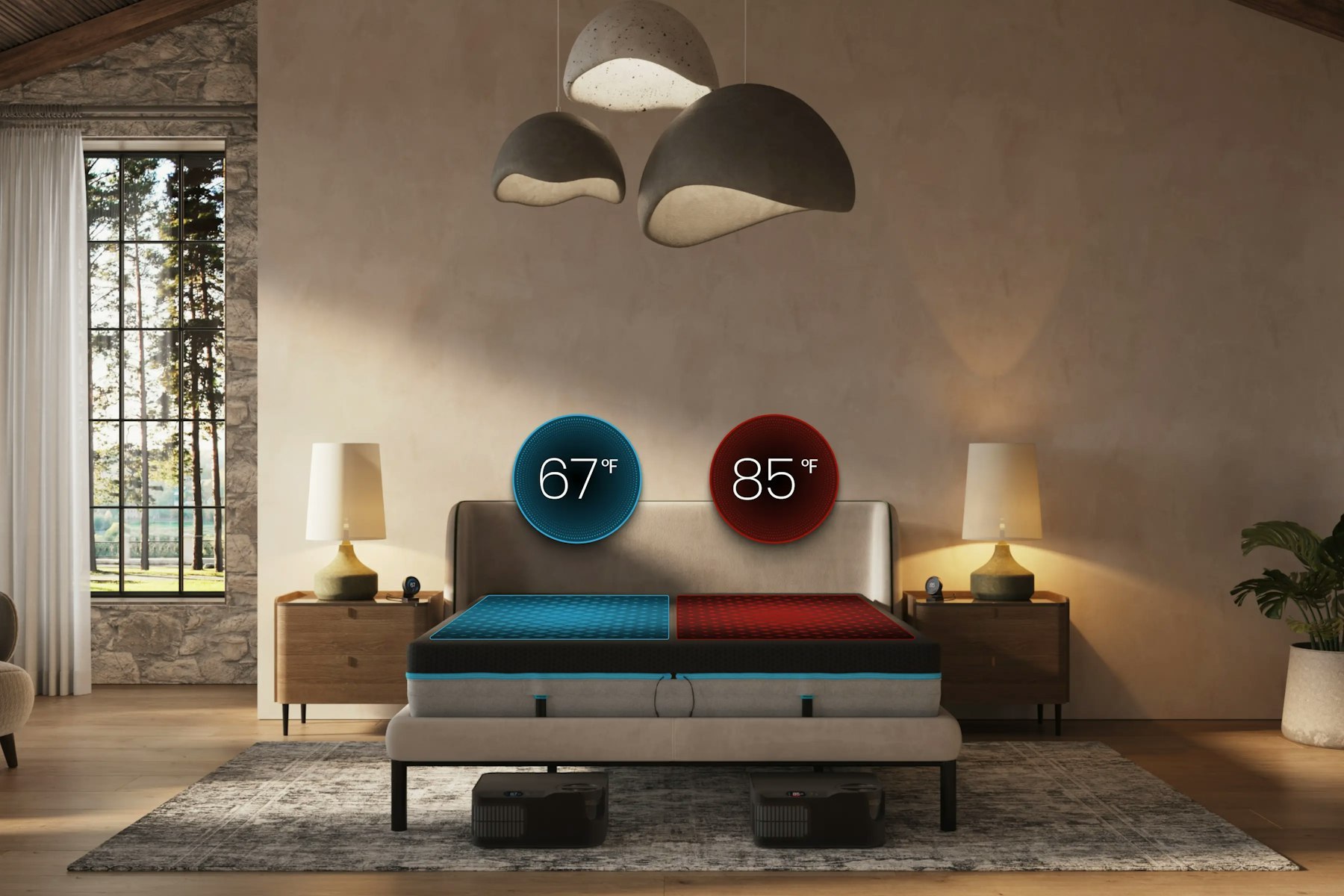
Temperature is the lever most men never pull. You cannot set a thermostat for one body in a shared bed, and a room cold enough for real sleep leaves a partner reaching for blankets. The modern answer is to cool the bed instead of the room — water-based systems that hold your side of the mattress at a set temperature all night, rather than a "cooling" foam that warms up by 3 a.m. and gives up.
If you want the fully integrated version — temperature, tracking and the mattress in one system — our wellness tech gift guide covers the Eight Sleep Pod 6. The pick below is the modular route: it keeps the mattress you already own.
Sleepme Chilipad 2.0 — The Bed, Set to a Temperature
Best for: hot sleepers, shared beds, and a mattress you already like
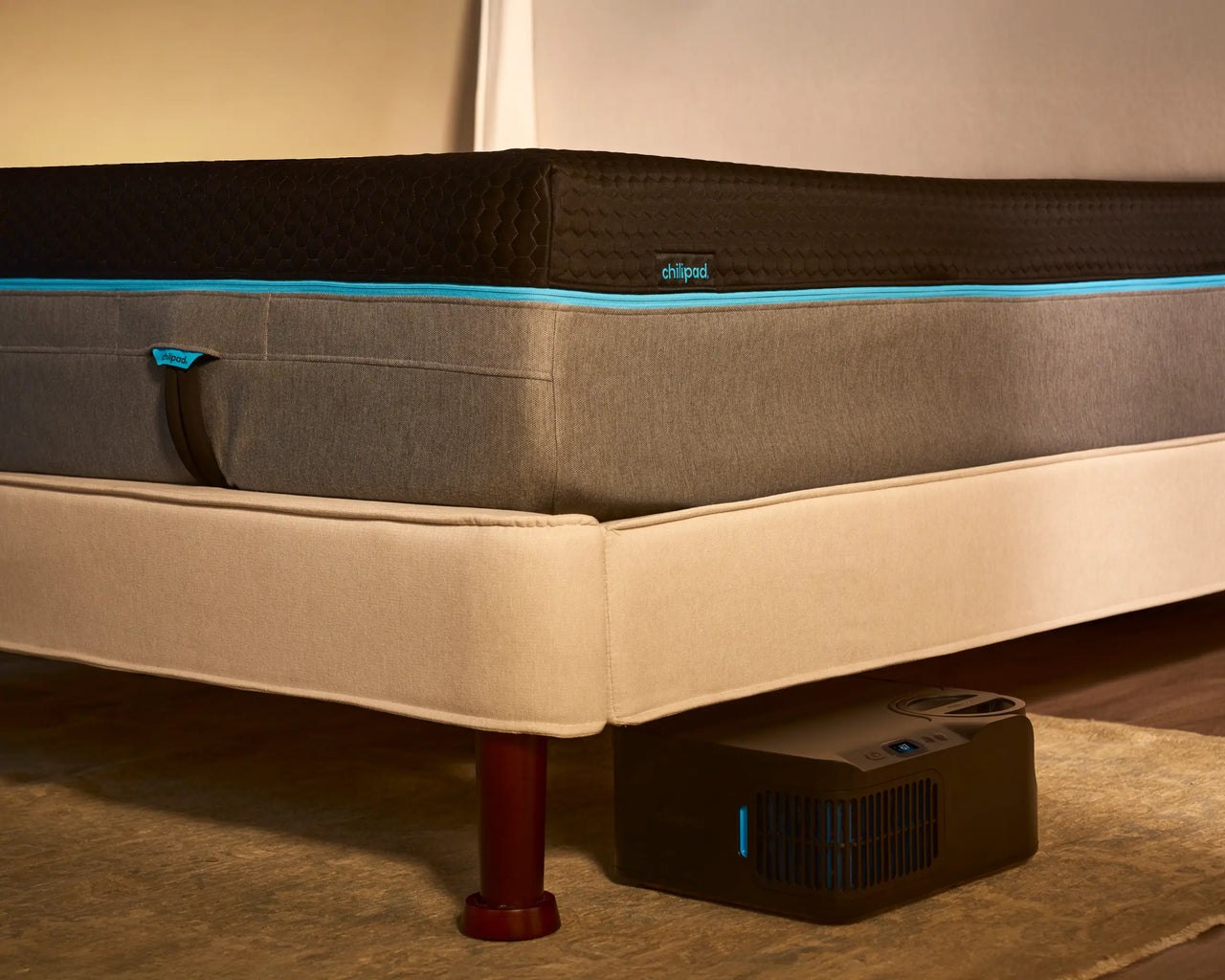
A water-cooled topper, not another foam pad: the Chilipad 2.0 circulates temperature-controlled water under your side of the bed and holds it anywhere from 55 to 115°F, all night, at the degree you set. The 2.0 adds a dedicated nightstand remote — no phone needed at 2 a.m. — sleep schedules through the free app, and a quieter, higher-capacity dock. One-sleeper and dual-zone versions run from twin to split king. No subscription, a 30-night trial, and a two-year warranty. From $1,399 in the maker's current sale; list is $1,599.
Beyond the card: spend the small money first. Blackout curtains that actually meet in the middle, a strip of tape over the standby LEDs, and a door sweep for the hallway light will do more than any second gadget in this section.
Heat and cold: the spa moves home
The report's experience numbers — spas up 12.8%, thermal springs up 10.4% — describe people paying, repeatedly, for two simple things: serious heat and serious cold. The home standard skips the recurring bill. A compact sauna and a plunge you can walk to in your own yard or garage turn both into infrastructure: there when the day calls for it, costing nothing per use.
On heat, the format that changed the math is the small infrared cabin: one or two people, a standard household outlet, no contractor, no plumbing, assembled in an afternoon. It is not a cedar palace and doesn't pretend to be — it is a heat room that fits in the square footage of a large wardrobe. On cold, the honest format is still the simplest one: an insulated barrel, water, and ice you make or buy — or a chiller later if the habit sticks. Start with the barrel. Gadgets expire; a barrel is a barrel.
Dynamic Barcelona Infrared Sauna (DYN-6106-01) — Heat, in the Space of a Wardrobe
Best for: the first home sauna — one or two people, a standard outlet
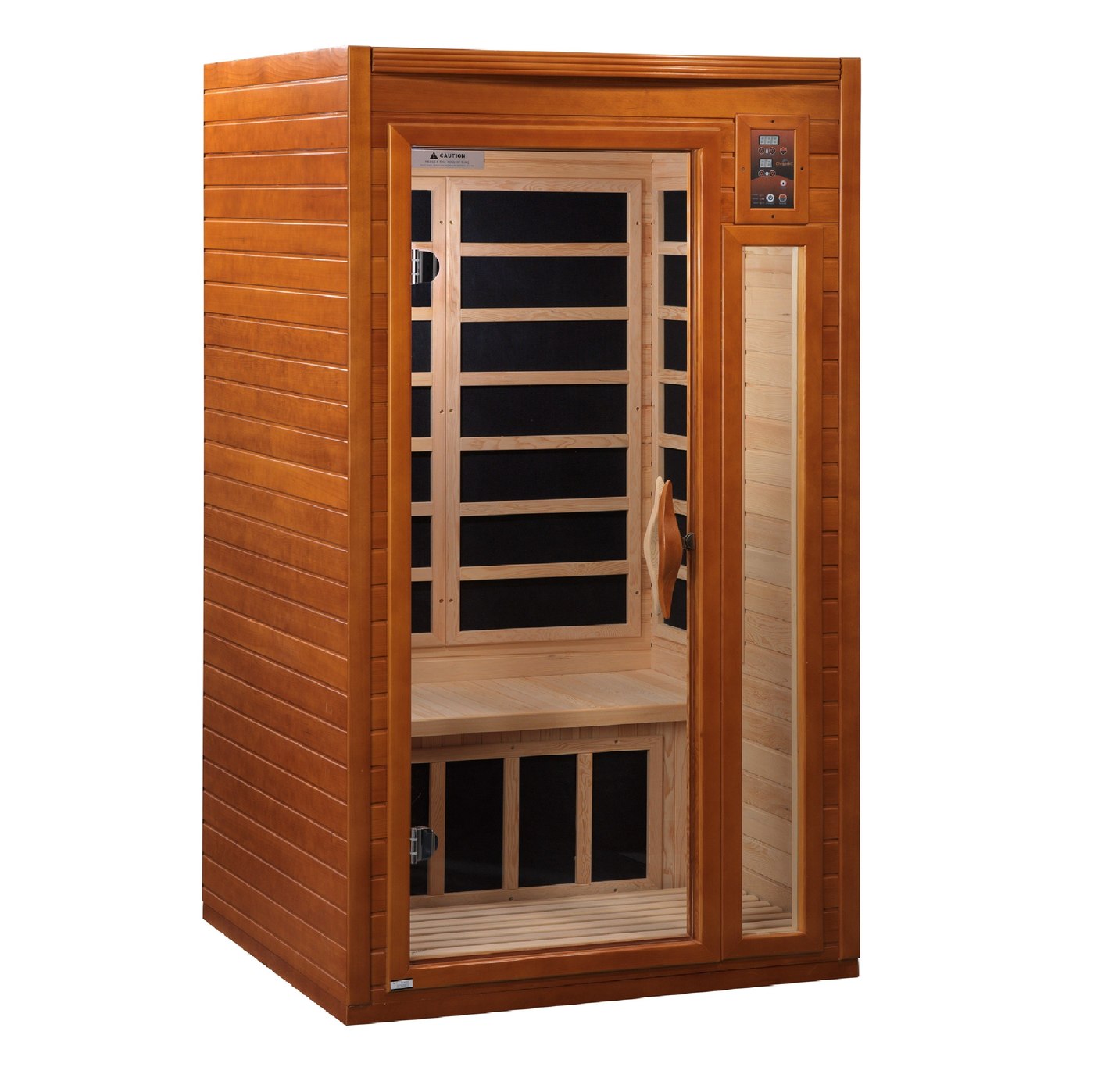
The Barcelona is the sauna format that fits an ordinary house: Canadian hemlock, 39 by 36 inches and 73 tall, six carbon far-infrared panels rated low EMF, a 140°F ceiling and a standard 120V plug — no electrician, no plumbing, assembled at home in an afternoon. A one-to-two-person cabin is the honest size: big enough to sit in properly, small enough to earn its floor space. Amazon sells it at $1,899; the maker's list is $3,499, which tells you where to buy it.
Ice Barrel 300 — Cold Water, No Appliance Attached
Best for: a daily plunge habit without a chiller, a pump or an app
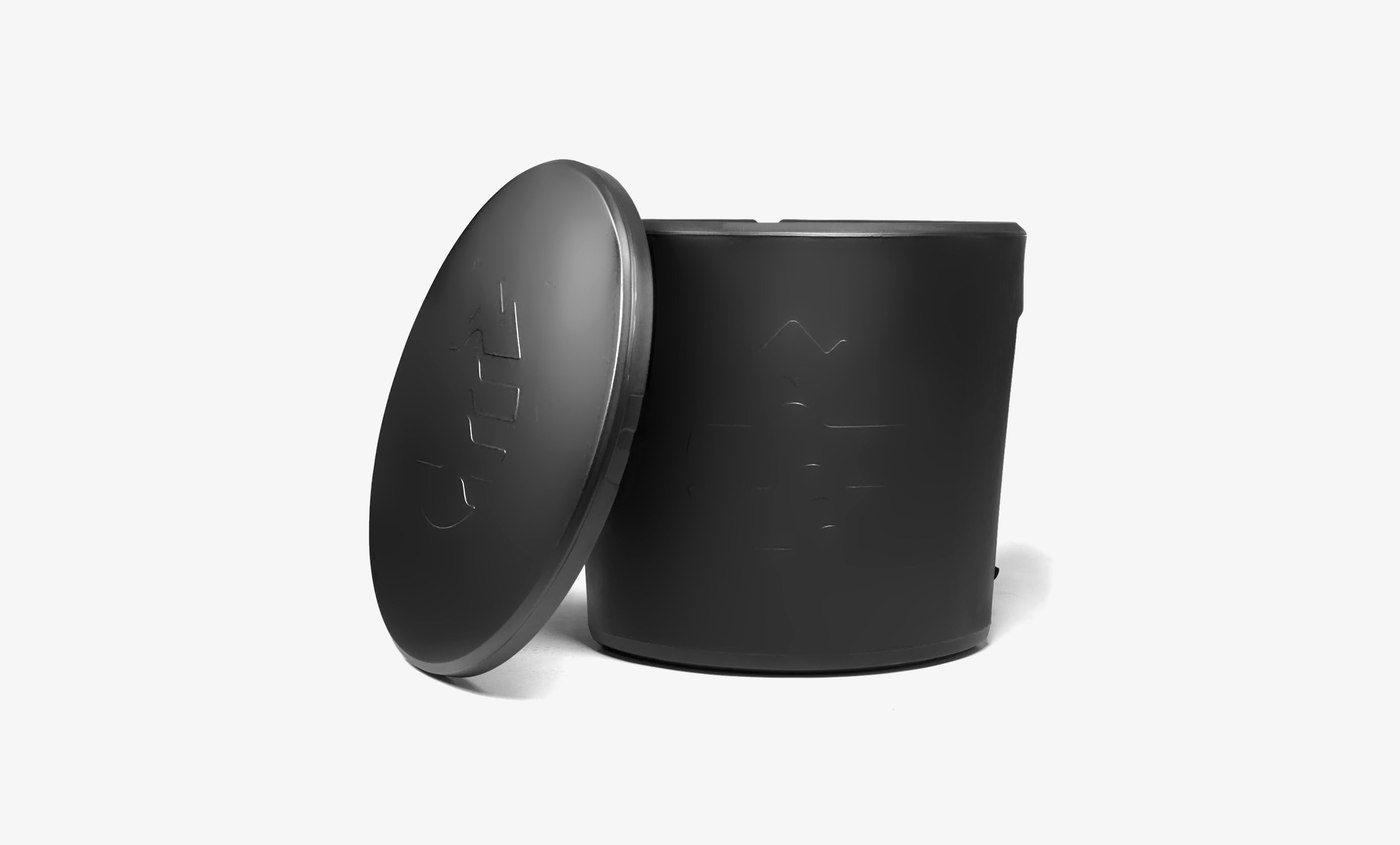
The 300 is Ice Barrel's current barrel: a thick, heavily insulated tub that holds its temperature between sessions, takes a full-body plunge up to the neck, and drains through a standard fitting when the water's week is done. It asks for water and ice — bags from the store, or blocks you freeze yourself — and nothing else: no chiller, no filter cycle, no subscription. That simplicity is the point. Add the chiller later only if a year of honest use says you will keep going. $1,449 from the maker's store, in stock at publication.
Placement is the real decision. Heat and cold work as a circuit when they sit near each other and near a shower — garage, covered patio, or a bathroom with square footage to spare. If you can only fit one, fit the one you will use on your worst day, not your best: for most men, buy the sauna first if your winters are long.
Light: the cheapest system you own
Light is the input the modern house gets most wrong. We live under dim artificial light all day, then blast our eyes with bright light and screens all evening — the reverse of the pattern the body clock evolved around. The standard: bright light early, dim light late. Get outside within an hour of waking when you can; when weather, season or schedule says no, a light-therapy device is the standing substitute — and the glasses format survives real life, because it works while you make coffee instead of asking you to sit at a panel.
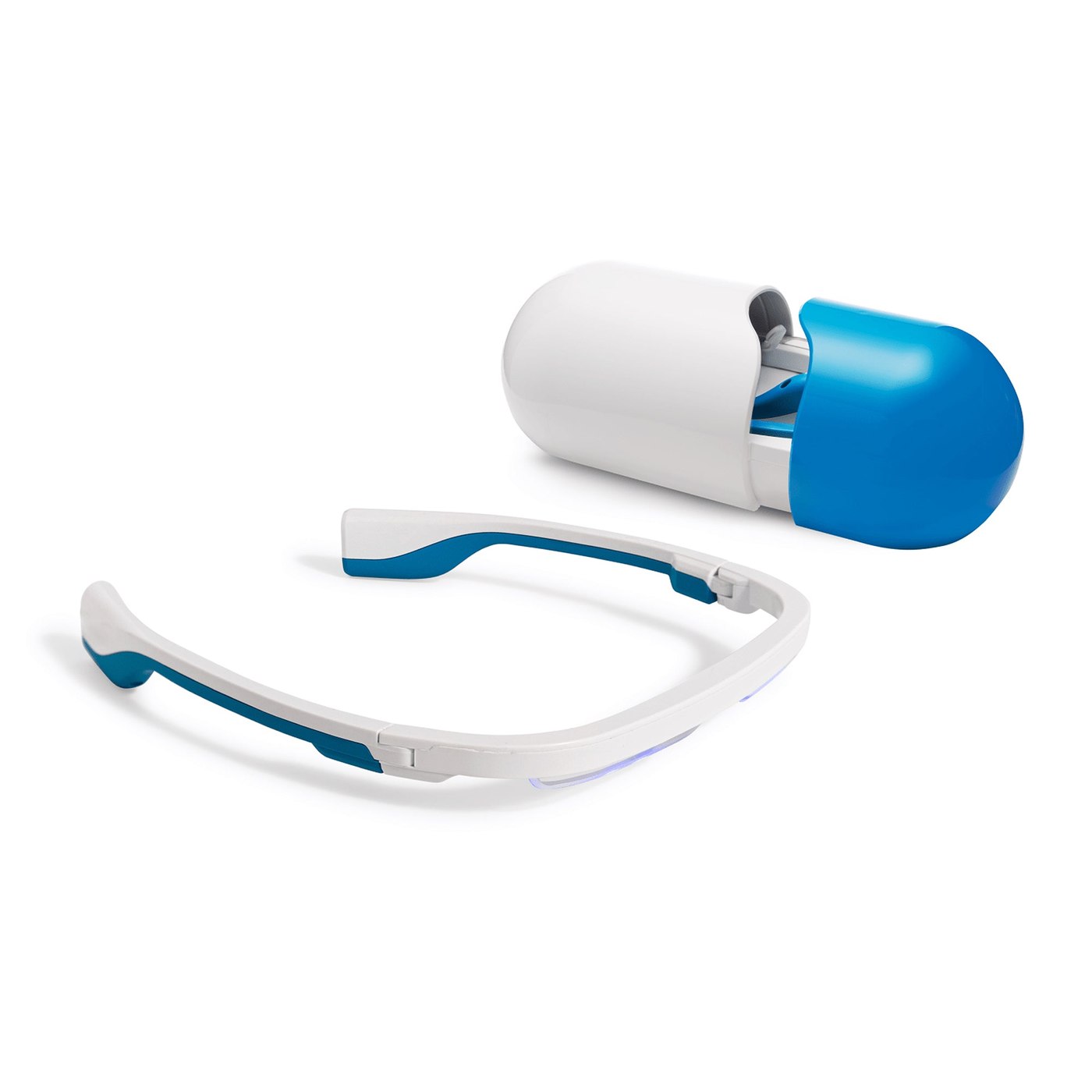
AYO+ Light Therapy Glasses — Morning Light, While You Make Coffee
Best for: dark winters, early schedules, and men who will not sit at a panel
AYO puts the light where it works — in front of your eyes, on a frame you wear for a short morning session while the day starts around you. The glasses deliver a blue-turquoise light designed to stand in for the bright morning light the standard calls for, guided by the companion app, then go back in their travel case. It is the format that survives a real routine: no sitting still, no desk panel, nothing to set up. $299 on Amazon — the same price as the maker's own store — with a 60-day money-back guarantee behind it.
In the evening, run the same logic in reverse: lamps low and warm after dinner, overheads off, the phone out of the bedroom entirely. Light is the cheapest system in this piece to fix, and for many men the first that changes how the morning feels.
Air and water: infrastructure, not appliances
Nobody brags about air filtration, which is exactly why it belongs in a standard. You breathe the room whether you think about it or not, and the bedroom — eight hours, door closed — is where the quality of that air counts most. The specification that matters is boring and checkable: a purifier sized generously for the room (its clean-air delivery rate against your square footage), a real HEPA-grade filter path, and a filter you'll actually replace on schedule. Water follows the same logic — a point-of-use filter on the tap you drink from most, maintained on its calendar.
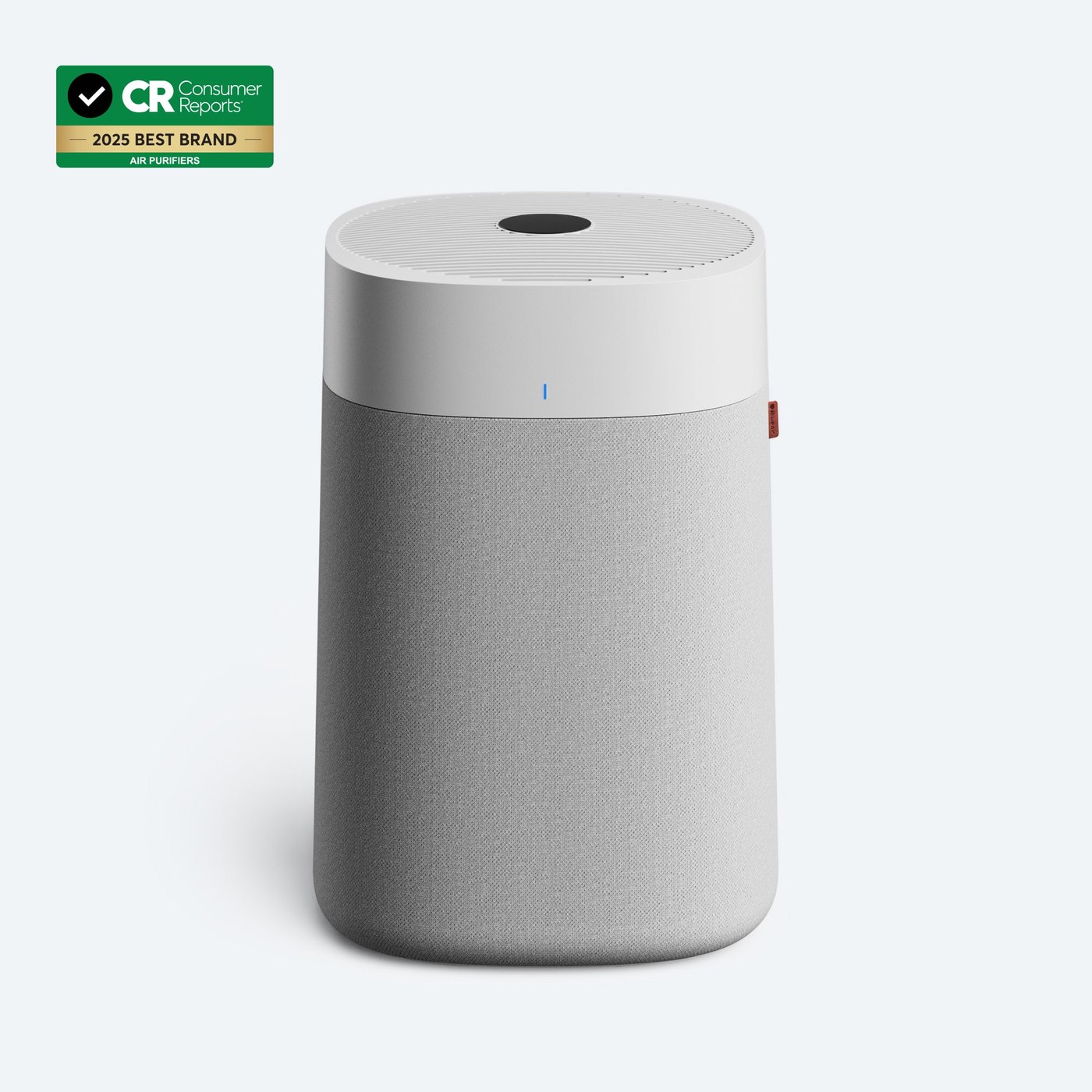
Blueair Blue Pure 211i Max — Clean Air for the Room You Sleep In
Best for: the bedroom first — large-room capacity, quiet at night
The 211i Max is Blueair's big-room machine, sized for spaces far larger than a bedroom — which is precisely why it works there: on its quiet setting, it turns the room's air over without sounding like it. Filtration pairs a particle-and-carbon filter with the brand's HEPASilent technology; the fabric pre-filter is washable and comes in colors that do not look like medical equipment; the replacement filter runs $69.99 on a cycle of up to nine months. Sold by Amazon at $216.49 against a $349.99 list — buy it there, not at list.
One purifier in the bedroom, on its quiet setting overnight, beats three decorative units scattered around the house. Buy for the room where you sleep; move outward only if the house needs it.
Movement space: a club of one
The home is absorbing functions that used to require a membership, and training is the clearest case. The standard is not a garage full of iron — it is one anchor piece of equipment you will use three times a week for a decade, floor space kept clear for it, and nothing else until the habit is proven. More home gyms die of clutter than of laziness.
The anchor that fits the most men is the rowing machine: full-body, low-impact, self-paced, and — in the case that matters — built by a company that has made the same machine, essentially unchanged, for decades, because the machine was already right. It trains in two square metres of floor and stores upright in less than one.
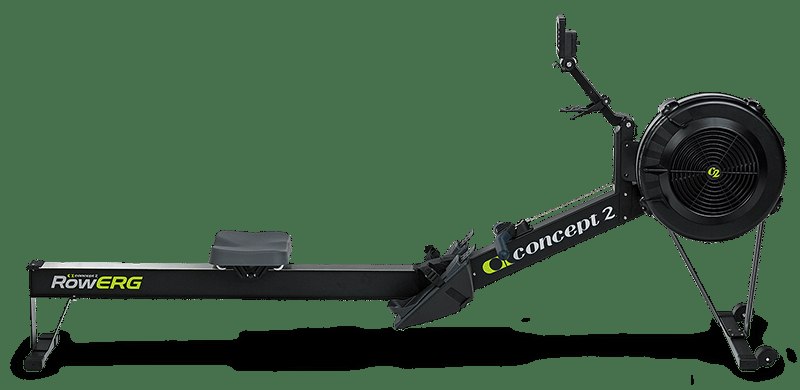
Concept2 RowErg — The Anchor
Best for: one machine, three sessions a week, for a decade
Every serious gym on earth owns this machine, and Concept2 has sold essentially the same design for decades — air-flywheel resistance that scales with your effort, a PM5 monitor that records everything and demands no subscription, and a frame that separates in two and stands upright for storage. It is the rare fitness purchase with no version anxiety: no RowErg 2 is coming to make yours obsolete. $990 with standard legs, direct from Concept2 — and the same $990 on Amazon, where Concept2 sells it itself.
Resist the second purchase. A kettlebell and a door-frame pull-up bar can join once the anchor has ninety days of honest use behind it. Equipment is a reward the routine earns, not a substitute for it.
Start here: the order of operations
This is the sequence — cheapest and highest-leverage first. Each step stands on its own; stop wherever your house and budget say stop.
- Morning light, daily. Outside for ten minutes within an hour of waking, or the light glasses when the day won't allow it. Cost: free to $299.
- Blackout and cool the bedroom. Real blackout curtains, standby lights killed, thermostat set for sleep. Cost: under $100 before any device.
- Set the bed's temperature. The Chilipad if you share a bed or run hot; it is the one sleep purchase that survives every mattress change. Cost: from $1,399.
- Clean the air where you sleep. One properly sized purifier in the bedroom. Cost: $216.49.
- Install the movement anchor. The RowErg, ninety honest days, nothing else. Cost: $990.
- Add heat. The infrared cabin near a shower. Cost: $1,899.
- Add cold. The barrel, ice, a standing appointment with yourself. Cost: $1,449.
What to skip
For every category above there is a product whose only job is to be bought. Skip these on principle: single-purpose gadgets that do one narrow thing a system already covers; subscription-locked hardware that stops working when the monthly payment does — your house should not have a membership fee; recovery tools bought before the training exists (the massage gun for a man who hasn't trained since spring is décor); and a second tracker measuring what the first already told you. Gadget sprawl is how a standard becomes a drawer. The rule for every purchase here: replace a recurring cost, remove a daily friction, or still be obviously useful in ten years. Fail all three, and it fails.
Questions, answered
What exactly is the "wellness economy"?
As the Global Wellness Institute measures it, it's consumer spending across sectors like personal care, healthy eating, physical activity, wellness tourism, spas, wellness real estate and mental wellness. In 2025 it reached $7.5 trillion — 6.36% of global GDP.
Where should I start if the budget is limited?
With the free and cheap end of the checklist: morning light, a genuinely dark bedroom, and a cool room. Those three cost almost nothing and cover the system everything else builds on. The first purchase we'd make is clean air for the bedroom; the first big one, bed temperature.
Sauna or cold plunge — which comes first?
The one that fits your climate and your space. Long winters argue for heat; hot climates and training-heavy routines argue for cold. Both beat the other option done halfway, so buy the one you'll use on an ordinary Tuesday in February, not the one that photographs better.
How much space does a home setup actually need?
Less than the industry implies. The sauna here occupies roughly 39 by 36 inches; the plunge is a barrel's footprint; the rower stores upright in under a square metre. A spare corner, a garage bay or a covered patio covers the standard.
Is any of this medical advice?
No. This piece is general information about home environment and equipment — what the report says, and how the gear is built and priced. It doesn't diagnose, treat or promise outcomes. For anything personal, a clinician who knows you beats a magazine, including this one.
Keep reading
The companion to this piece is our wellness tech gift guide — the wearables, trackers and wake-up gear that live outside the rooms above. For the standard applied to what leaves the house with you, see the everyday carry guide. And for one good idea a week — one thing worth buying, one thing to skip — join The Pinstripe Letter.
The Pinstripe Letter
Free, every Sunday. One thing worth buying, one thing to skip, and one standard worth keeping — written by our editor. Join and the current flagship guide is yours, free.